
Peperomia Care

Peperomia: Hope, Raindrop, Pepperface, Watermelon, Ripple and more
At a glance
| ☀️ Light | Medium to bright indirect. |
|---|---|
| 💧 Water | When the soil is mostly dry. Thick-leaved types even drier. |
| 🪴 Soil | Airy and fast-draining: Tropical mix with extra perlite. |
| 🌡️ Temp | 16–27°C. |
| 💨 Humidity | Average is fine. |
| 🐾 Pets | Pet safe Non-toxic to cats and dogs. |
| 🌱 Care level | Beginner Pet safe Small spaces |
| 📏 Grows to | 15–30 cm; trailing types longer. |
Peperomias are compact, pet-safe and come in an amazing range of textures: rippled, striped, watermelon-patterned, round and trailing. Their thick leaves and small roots make them forgiving about missed waterings, which makes them perfect for desks and shelves.
Light + placement
Medium to bright, indirect light suits most peperomias: near an east window or set back from a brighter one. Too little light makes them leggy and fades the patterns; harsh direct sun can scorch.
Watering
Water thoroughly, then let the soil dry out most of the way. Thick, succulent-leaved types (Hope, Pepperface, Raindrop) can dry completely. Overwatering is the most common problem: limp, yellow leaves and a soft stem base.

Soil + repotting
An airy, fast-draining mix: our Tropical Potting Mix with a handful of perlite. They have small roots, so keep them in small pots and repot only when root-bound.
Feeding + upkeep
Feed monthly from April to September at half strength. Pinch back leggy stems to keep them compact.
Propagation
Most peperomias root easily from a leaf or stem cutting in water or moist soil. Watermelon peperomia can even grow from half a leaf. See Propagation 101.
Common problems
| What you see | Likely cause | What to do |
|---|---|---|
| Limp, yellow leaves, soft stems | Overwatering, root rot | Let it dry out; repot into a smaller pot with airy soil. |
| Wrinkled, thin leaves | Thirsty | Water deeply. |
| Leggy, stretched growth | Not enough light | Move closer to a window; pinch back. |
| Leaves dropping in winter | Cold, wet soil | Water less; keep away from cold windows. |
| Brown, scorched spots | Direct sun | Move to indirect light. |
Varieties we carry
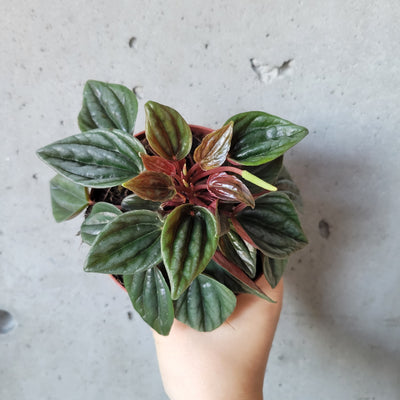
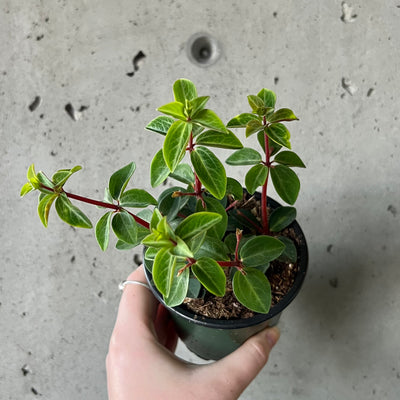
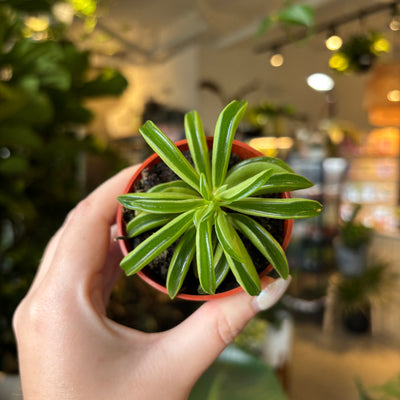
Same care for all of these. The thicker the leaf, the drier it likes to be. Only what's in stock online right now is shown.



Frequently asked questions
Are peperomias safe for pets?
Yes. They're non-toxic to cats and dogs.
How often should I water a peperomia?
When the soil is mostly dry, usually every 1–2 weeks in summer and every 2–4 weeks in winter.
Why is my peperomia dropping leaves?
Usually overwatering or cold. Let it dry out and keep it warm.
Do peperomias need big pots?
No. They have small roots and do best in small, snug pots.
Peperomia care kit
- Tropical Potting Mix: Our all-round Soil Bar mix for leafy tropicals.
- Moisture Meter · $14.99: Tells you when the bottom of the pot is actually dry.
- BIOS Natural Plant Food: Easy monthly feed for the growing season.
Bring your plant (or a photo) to 515 Chatham St #103 and we'll take a look. Open 11–5, 7 days a week, with street parking nearby. Get directions →
More plant care guides
ZZ Plant · Pothos · Calathea · Hoya · Heartleaf Philodendron · Ferns · Prayer Plant · Scindapsus · All plant care →